
Important Note for Homeowners: A property claim may be closed without payment if the claim is for damage caused by storm surge or local flooding, which is generally not covered. After major hurricanes, FEMA provides disaster assistance to those affected. However, to qualify, homeowners must file a claim with their insurer first, even if they know the damage is from flooding and not covered by their policy. The denial of the claim is required for FEMA to step in and provide financial assistance.
Get informed. Get prepared.
Get Flood Ready Florida.
Protect your family, your property, and your peace of mind.
Flood Insurance Resources

FloodSmart.gov | FEMA’s National Flood Insurance Program (FNFIP) – Find flood risk maps, coverage basics, cost estimators, and steps to buy a flood policy.
- Standard NFIP policies provide up to $250,000 in building coverage and up to $100,000 in contents coverage for most residential properties.

FEMA’s Individuals and Households Program (IHP) – This provides financial and direct services to eligible individuals and households affected by a disaster, who have uninsured or under-insured necessary expenses and serious needs.
- IHP assistance is not a substitute for insurance and cannot compensate for all losses caused by a disaster. The assistance is intended to meet your basic needs and supplement disaster recovery efforts.

Florida Office of Insurance Regulation (FLOIR) – Find information on private flood insurance availability in Florida.
Florida CFO Flood Insurance Coverage FAQs – Find answers about effective dates, flood loss coverage, what is not covered, and much more.
Florida CFO Flood Resources Page – Understand the basics of flood insurance in Florida from this overview, including how coverage works and where to get it.
Know Your Flood Risk
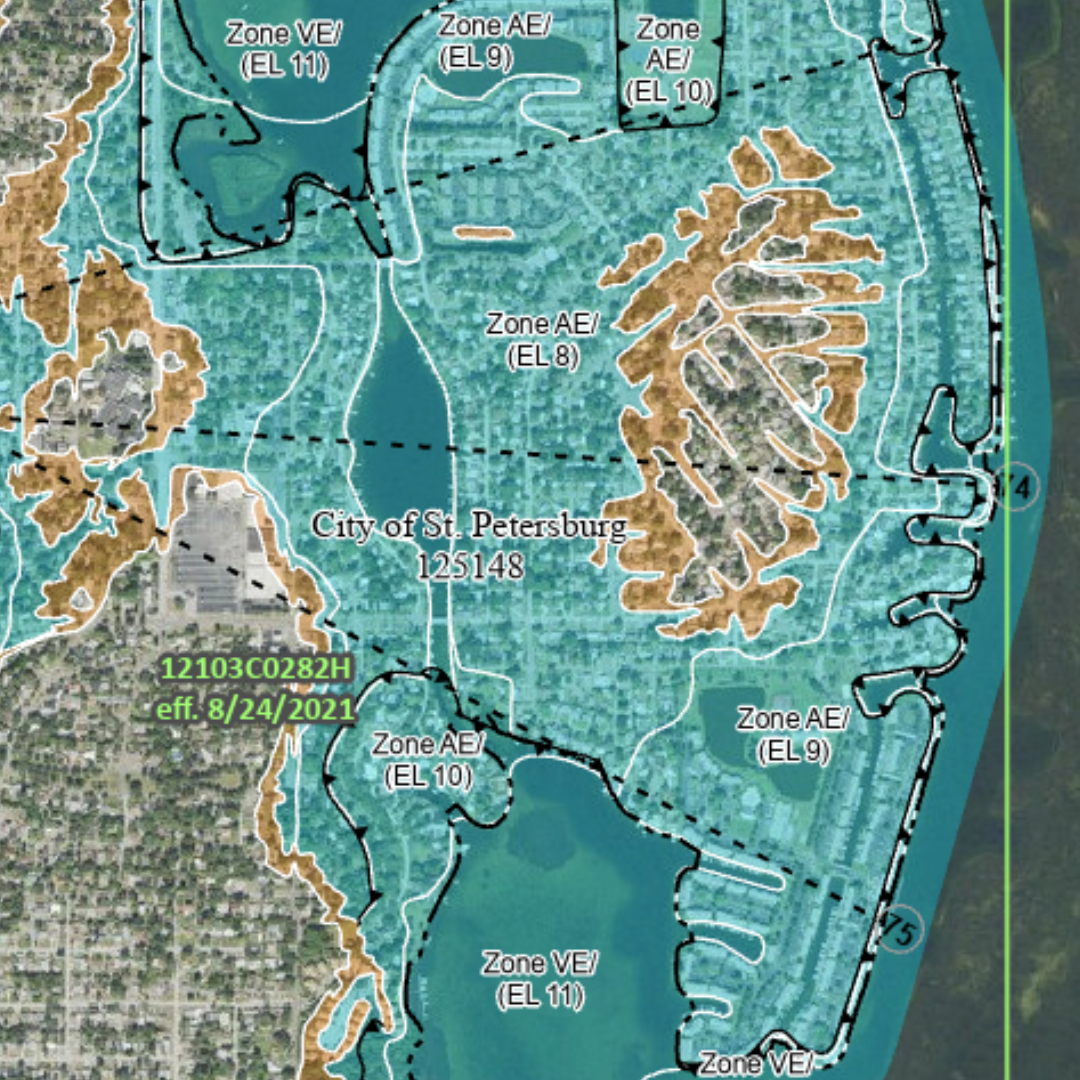
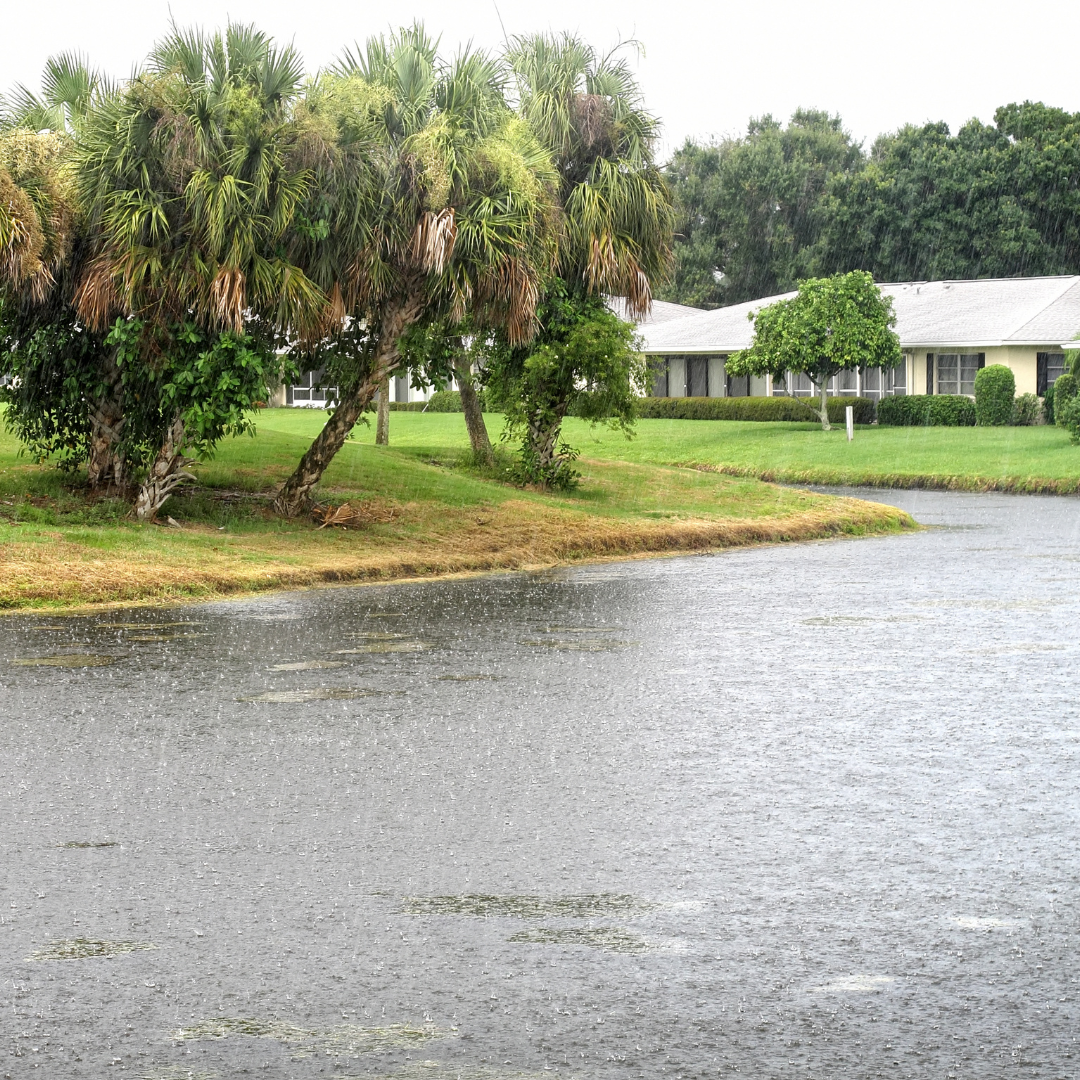
Florida Flood Hub for Applied Research and Innovation (University of South Florida) –Tools and data for understanding flood risks and future projections.
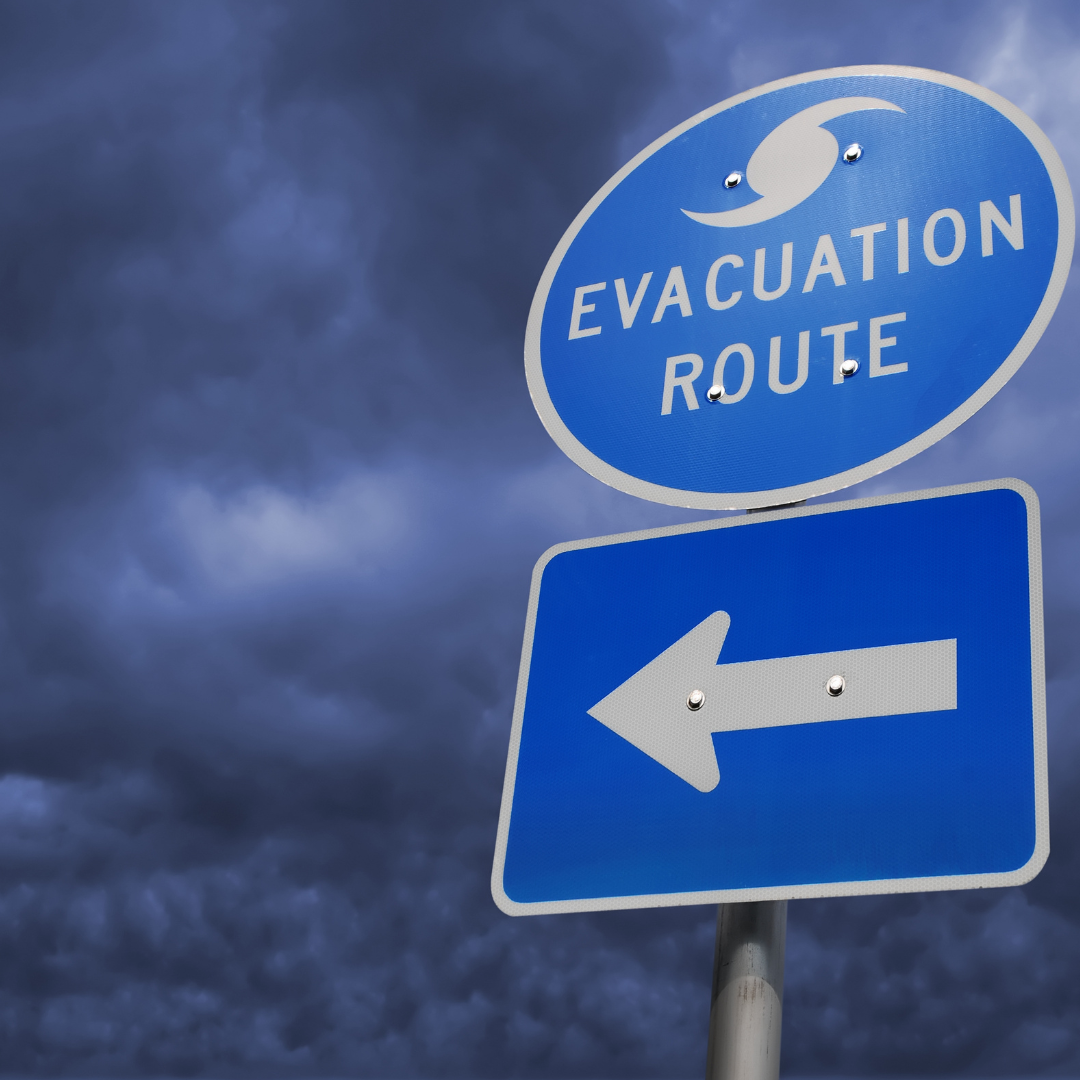
SERT – check county or city websites for local floodplain maps, mitigation grants, and evacuation routes.
Strong Homes Scale – Brought to you by the Federal Alliance for Safe Homes (FLASH), users can enter a home address and receive a customized resilience rating based on local building codes, disaster risk levels (including flood peril), and the home’s construction features at the time it was built.
Resilience & Preparedness Tools
Recovery & Assistance
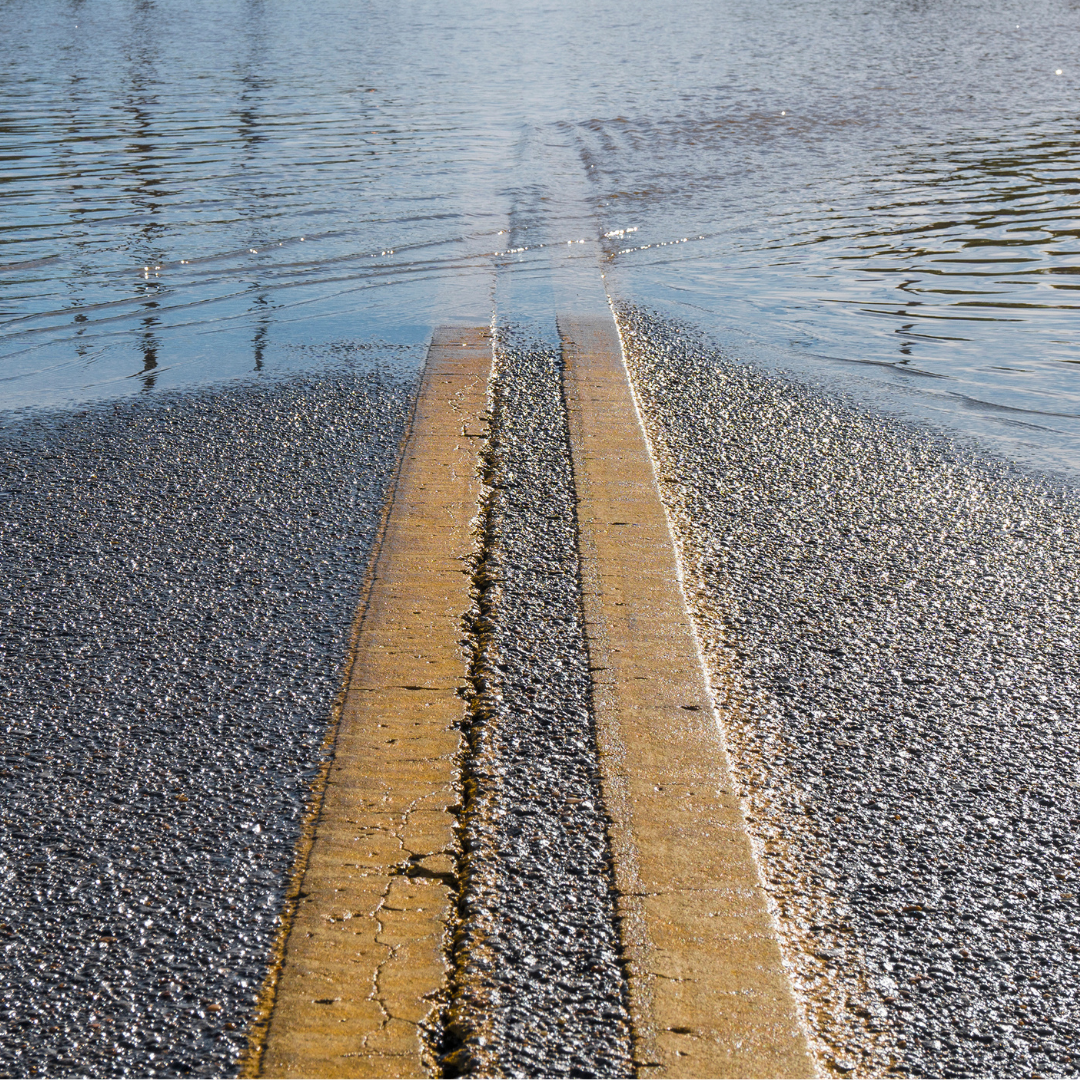

Florida Division of Historical Resources – Disaster Mitigation and Recovery for Historic Properties.